Knowledge Organization and Antiquity in Institutional Teaching Collections across the Long Nineteenth Century (1750–1940)
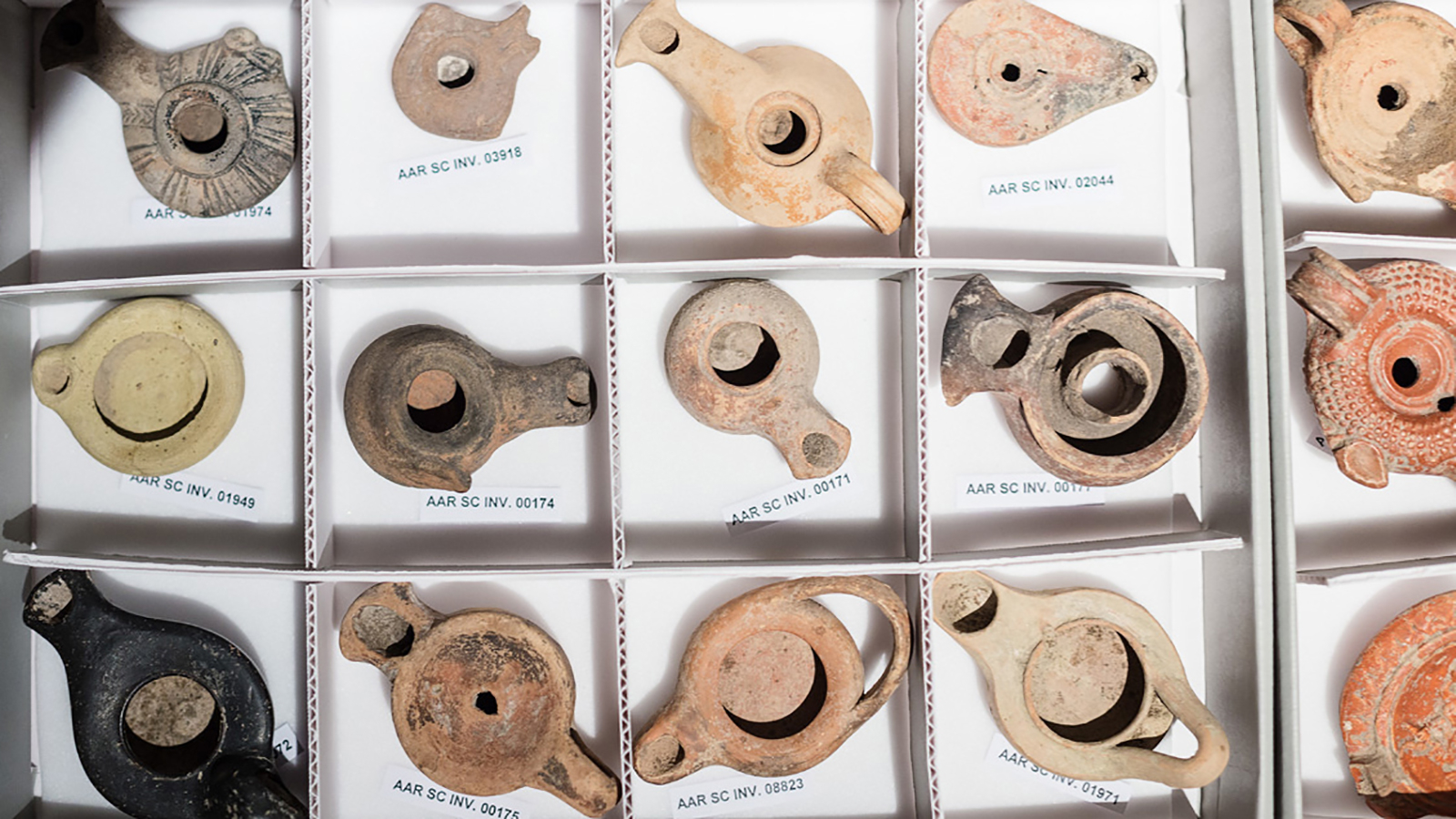
The Swedish Institute for Classical Studies in Rome and the American Academy in Rome will host a three-day conference on archaeological study collections and their role in our understanding of the past. The conference is organized by scholars from the University of Texas, Austin and the Swedish Institute for Classical Studies in Rome and will take place in Rome among a concentration of historic collections of archaeological material housed in academies and research institutes. Participants will explore collections in the context of the broader intellectual history of the period between the 18th and 20th centuries and the epistemological and classificatory transformations it witnessed. They will also visit a number of extant study collections in Rome.
As European antiquarianism and early excavations accelerated over the eighteenth century, scholars began to recognize the need to organize the flood of new information being produced for study and training. Concurrently, the discipline of ancient art history was emerging under the influence of J. J. Winckelmann. Curiosity cabinets gave way to physical teaching collections consisting of casts of ancient gems or sculpture, coin cabinets, and a wide range of archaeological objects, usually comprising representative type-items of modest quality. Advances in material replication, such as photographs, paper squeezes, and rubbings, introduced new ways to disseminate knowledge of better-known artworks and artifacts. While supporting instruction in art history and archaeology, these collections also served as models for students in fine arts and architecture. As ideas about how to understand the premodern world changed, the organization, display, and use of these collections changed too, responding to art-historical paradigm shifts like Adolf Furtwängler’s reclassification of Winckelmann’s system for sculpture and gems.
Friday, April 10, 2026
11:00 am – 7:00 pm
I visitatori dell’American Academy in Rome sono pregati di mostrare un documento d’identità all’ingresso. Non è possibile accedere con bagagli o zaini di dimensioni superiori a cm 40 x 35 x 15. Non sono disponibili armadietti né guardaroba. Non è permesso portare animali (ad eccezione dei cani guida).
L’Accademia è accessibile agli utenti in sedia a rotelle e a coloro che devono evitare le scale. Si prega di inviare una email all’indirizzo tours@aarome.org se voi o qualcuno del vostro gruppo utilizza una sedia a rotelle o altri dispositivi di mobilità, così da poter garantire la migliore facilità di accesso ai visitatori. Se siete persone con disabilità o condizioni mediche che potrebbero richiedere particolari accorgimenti, vi preghiamo di inviarci un’email all’indirizzo tours@aarome.org.